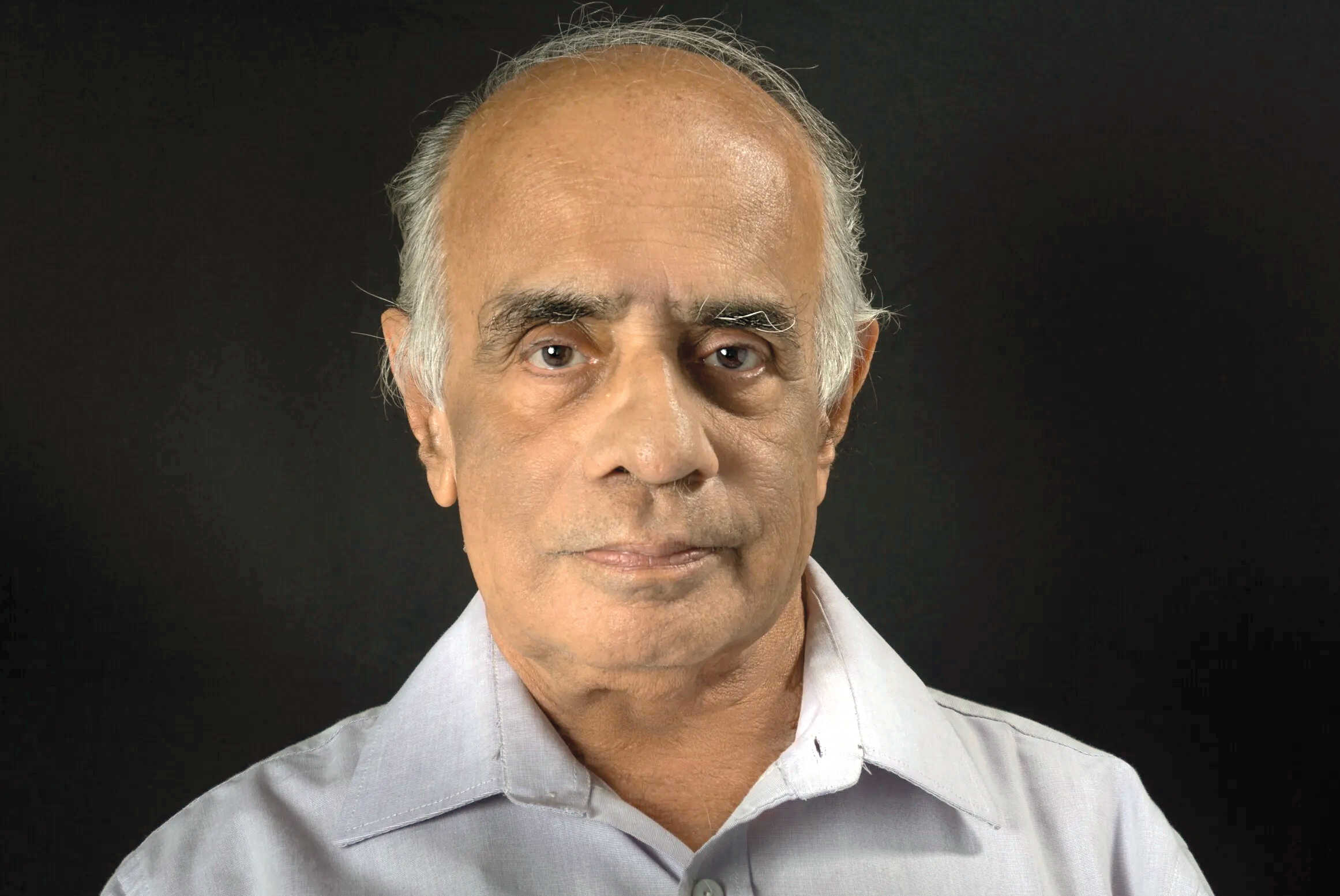
In the passing of S. Balachandra Rao, on 14 May 2025, we have lost one of a unique brand of enthusiasts and an erudite educator of classical Indian astronomy and mathematics. Apart from his scholarly research in the area he has done yeoman service in promoting awareness of ancient Indian heritage in the area, through many of his books, articles, and not to forget, many lively talks on the subject, including in videos, over his career.
Balachandra Rao was born at Tyāgarti (also known as Thāgarti), near Sagar, in Karnataka, on 24 December 1944, and had his early schooling at Sagar. In 1956 the family moved to Bangalore, following the sad untimely demise of his father. He later studied at the Basavanagudi National College, Bangalore, which cultivated his interest in mathematics and Sanskrit, which were to have a lasting impact on his later works. Motivated by the twin interests he purchased and read with keen interest the books History of Hindu Mathematics, A Source Book by B.B. Datta and A.N. Singh (in two parts, published in 1935 and 1938 respectively), and The History of Ancient Indian Mathematics by C.N. Srinivasiengar (1967), which have been pioneering works in the subject of ancient Indian mathematics. He noticed that while the development of mathematics in ancient India was intricately linked with the study of astronomy, the latter had nevertheless remained a relatively unexplored topic, compared to the purely mathematical component. This prompted him to focus his attention on astronomy. He also had an exposure to astrology, as a teenager, stemming from observations with the family horoscopes, and he actively pursued it with the help of an English magazine and a book in Kannada, authored by C.G. Rajan, which he found very useful. His interest in astrology waned, however, in the course of his college years. In his autobiographical note [1] he mentions “In retrospect I feel I wasted two years or more studying (but not practising!) astrology. Dr. HN’s influence, coupled with Russell’s rationalistic thinking plus the outcome of the highest Indian philosophy Advaita (non-dualism) made me give up astrology altogether.”; “Dr. HN” here refers to Dr. H. Narasimhaiah, then Principal of the National College, a professor of nuclear physics who was later appointed Vice-Chancellor of Bangalore University; Balachandra Rao is noted to have been very fond of him all through, and referred to him as his mentor. Renunciation of astrology simultaneously led to his studying astronomy seriously; a take-away from the earlier involvement was that he retained keen interest in learning to compute planetary positions, and phenomena like eclipses. During that period he studied Sanskrit canonical works on astronomy, both in the original and through available translations.
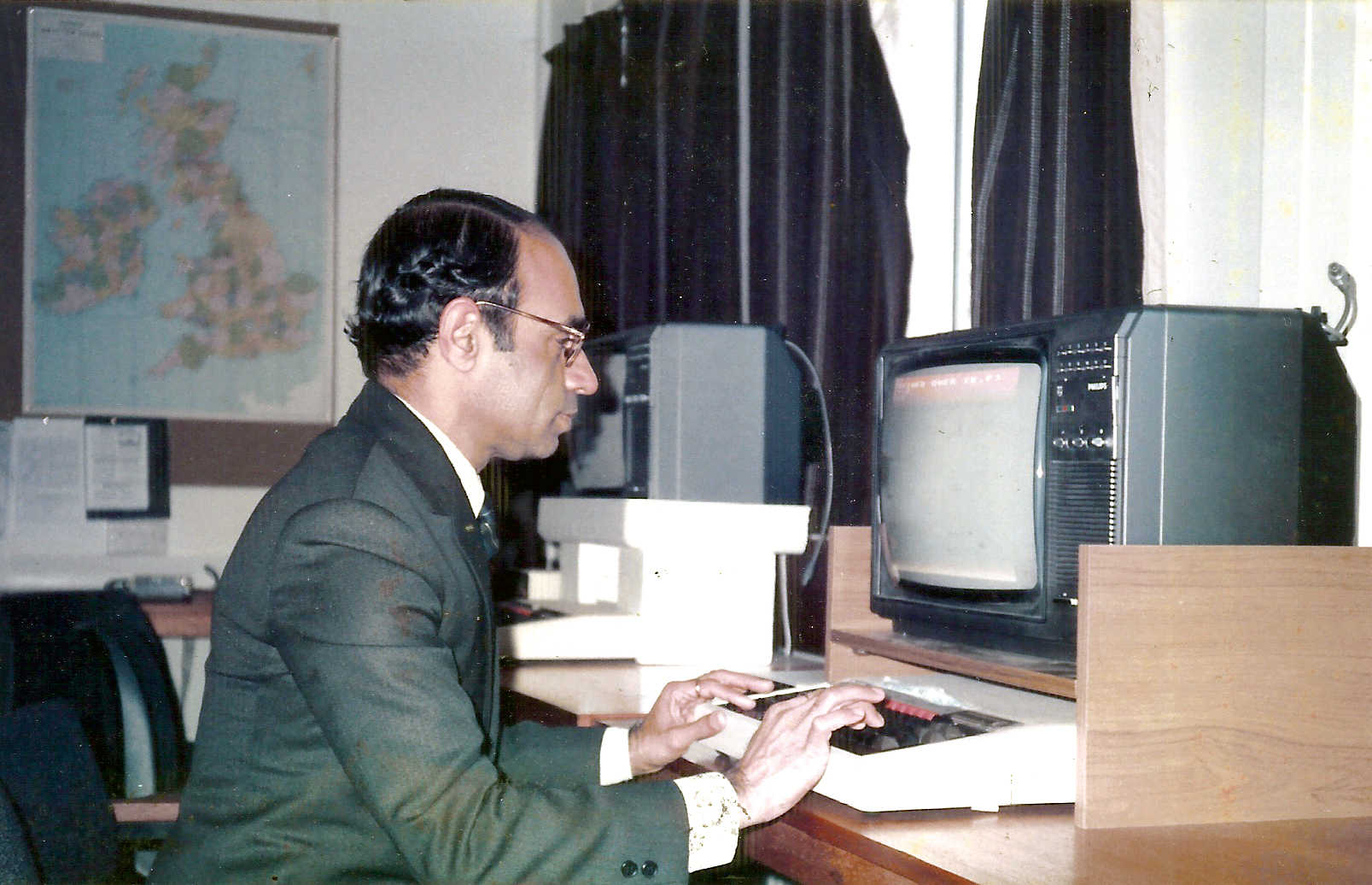
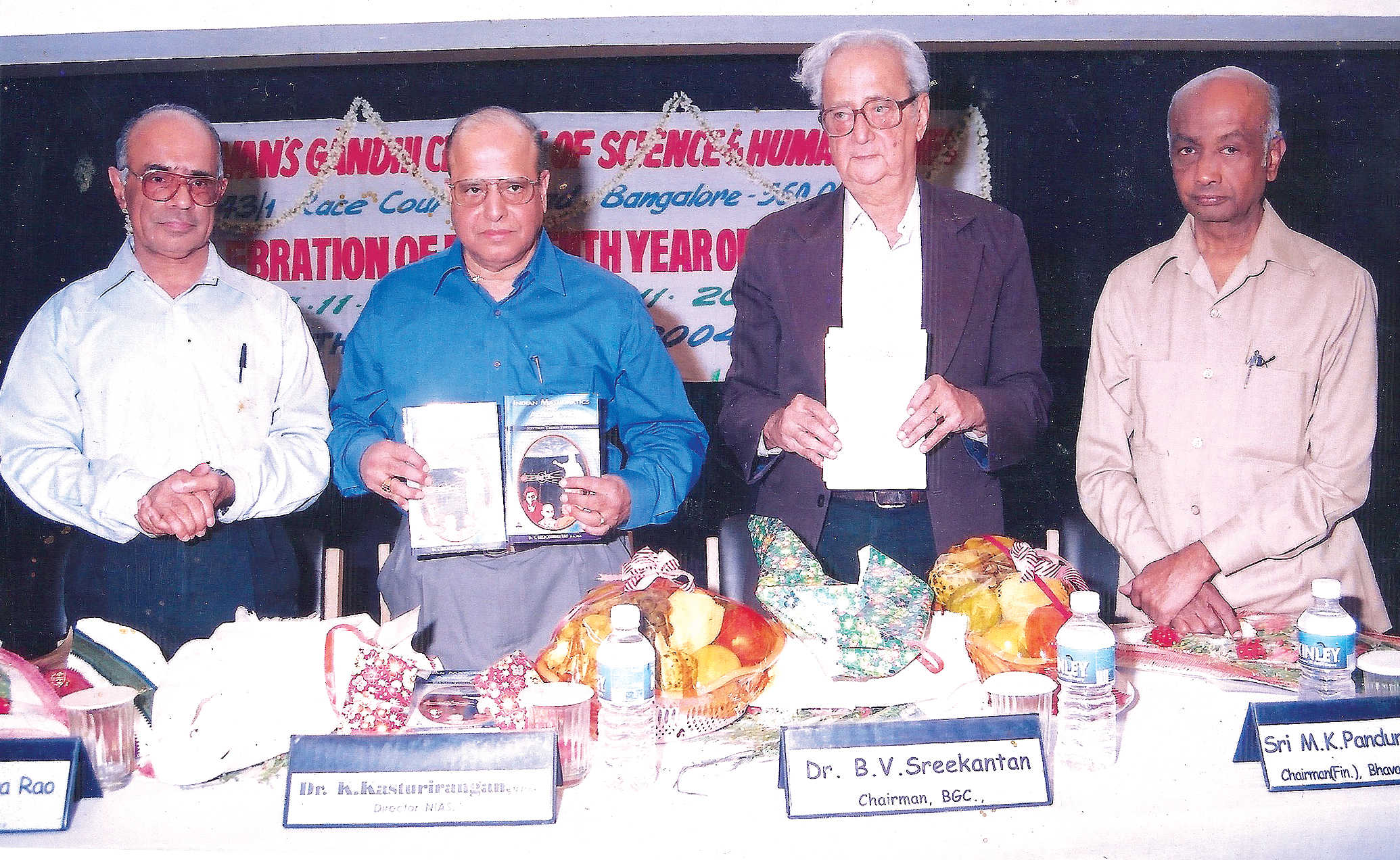
He developed one of the early software giving accurately the heliocentric and geocentric planetary positions, including those of Uranus, Neptune and Pluto, and the Indian astronomical features such as the tithi, nakṣatra, yoga or karaṇa for any date. He then developed programmes for several algorithms for procedures described in the Sūryasiddhānta, a crucial text of ancient Indian astronomy; the excitement around it is described vividly by him in [1]. He also moved on, in a similar spirit, to other texts like Brahmagupta’s Khaṇḍakhādyaka, Gaṇeśa Daivaj\tilde {\rm n}a’s Grahalāghavaṃ and others.
Soon after the first book, he got into a collaboration with the team of researchers working on the topic at Chennai, M.D. Srinivas, M.S. Sriram and K. Ramasubramanian. The endeavor, supported by an assistantship, resulted in his second book Indian Astronomy – an Introduction. It may be worthwhile to recall here the following comments of M.S. Sriram in his review [2] of the book, elucidating the overall context around it:
The review has a further comment: “The purpose of the book is not only to create an awareness about Indian astronomy among the readers, but also to make them fairly proficient in the concepts, technicalities and computational procedures developed by great Indian mathematicians and astronomers over the past two thousand years.”
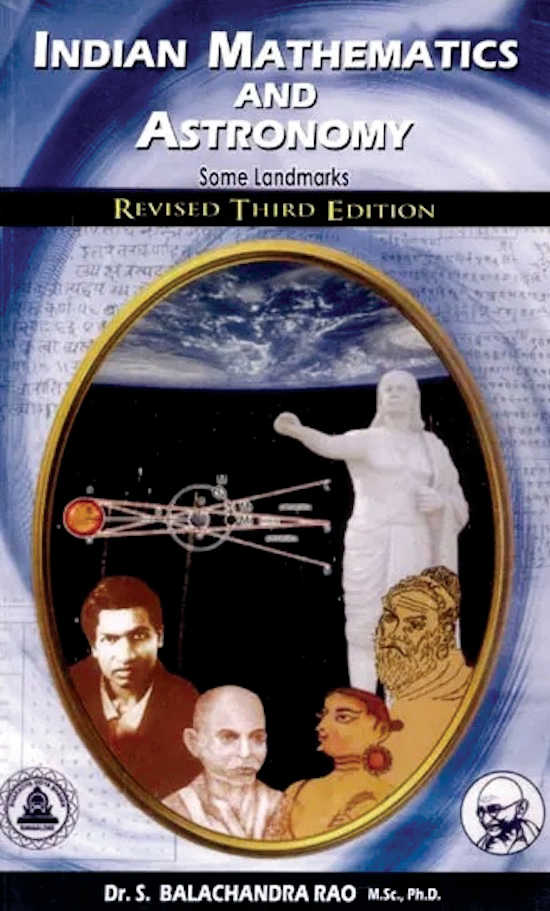
The book presents a variety of technical details, in a lucid manner, on issues and problems in the practice of astronomy, like preparation of calendars, time measurements and estimations through application of astronomical observations, calculating the true positions of the Sun, the Moon and the planets, predicting eclipse timings, etc.. It includes in particular computer programmes for calculating longitudes of planets and eclipses based on the Sūryasiddhānta, developed by the author, and also some modern improvements. It also includes a substantial bibliography of primary and secondary sources of Indian astronomy, thus facilitating further studies on the part of interested readers. Not surprisingly the book, and his other works on the subject, including especially Ancient Indian Astronomy – Planetary Positions and Eclipses have served as textbooks for courses on classical Indian astronomy, especially with the implementation of the National Educational Policy in recent years.
 |
 |
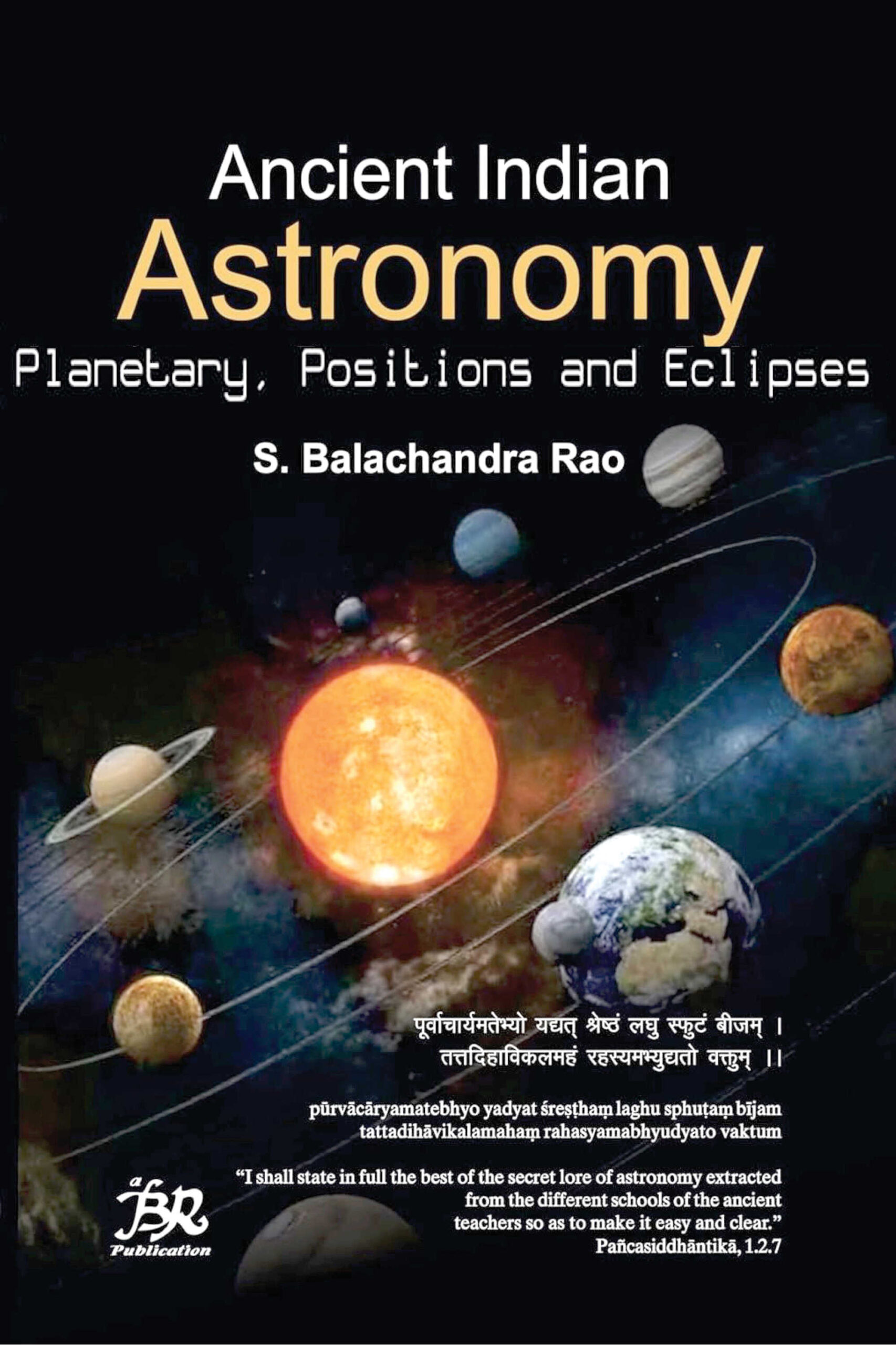 |
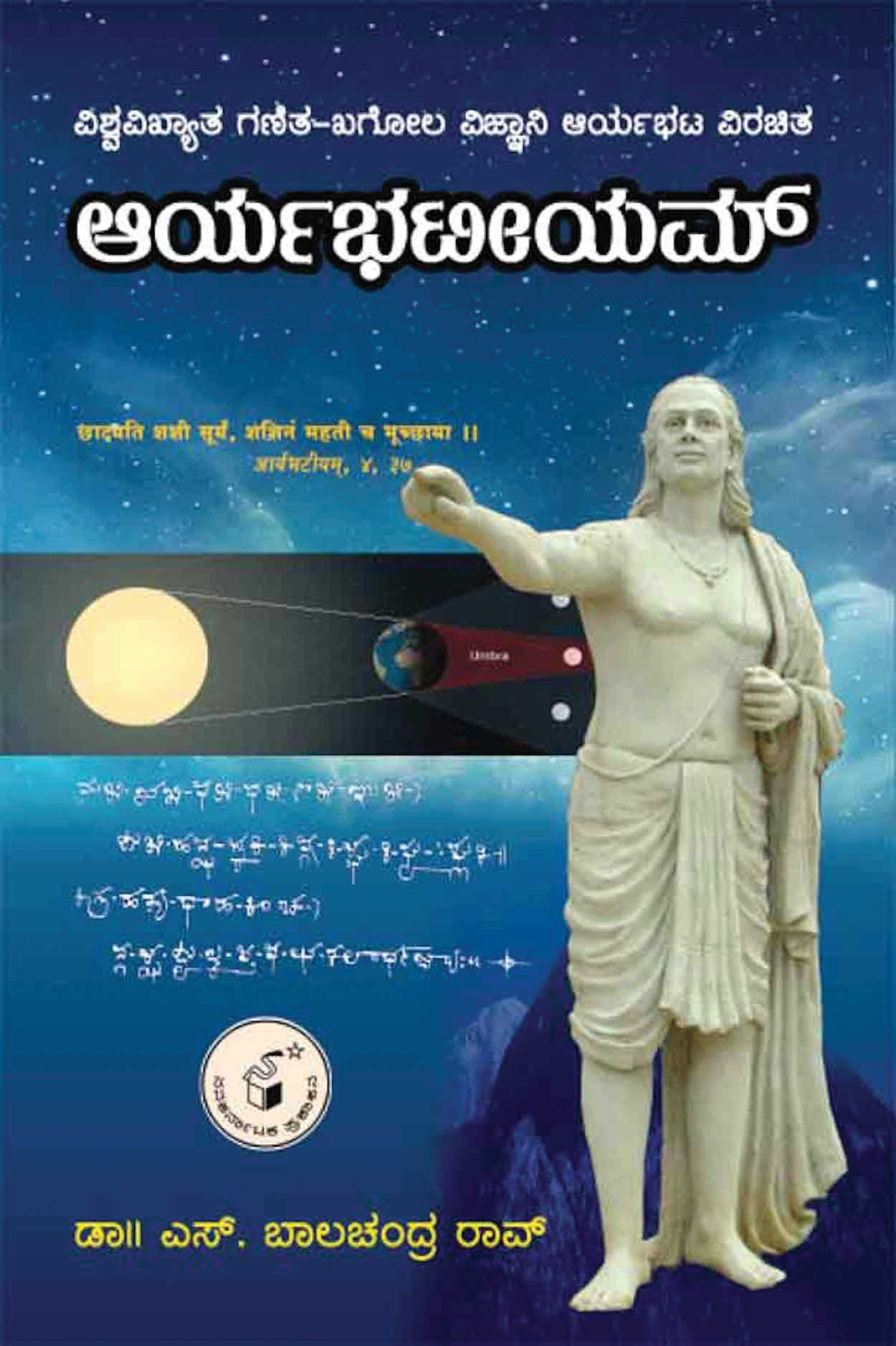
| Cover pages of Balachandra Rao’s books on ancient Indian astronomy. The one in the middle is Āryabhaṭīyaṃ in Kannada. Karthik Shiraly | ||
Balachandra Rao also collected some medieval unedited and previously unpublished Sanskrit palm-leaf manuscripts from the repositories at Bhandarkar Oriental Research Institute (BORI), Pune and the Oriental Research Institute (ORI), Mysore, and computerized the algorithms described in them. He also worked on the texts of Ptolemy, Copernicus and the planetary tables along with modern astronomical algorithms for the planetary positions, eclipses etc. Motivated by the work of Kuppanna Sastry and using some of it together with a Tamil manuscript he worked on a project, jointly with Padmaja Venugopal, culminating in two books Eclipses in Indian Astronomy and Transits and Occultations in Indian Astronomy.
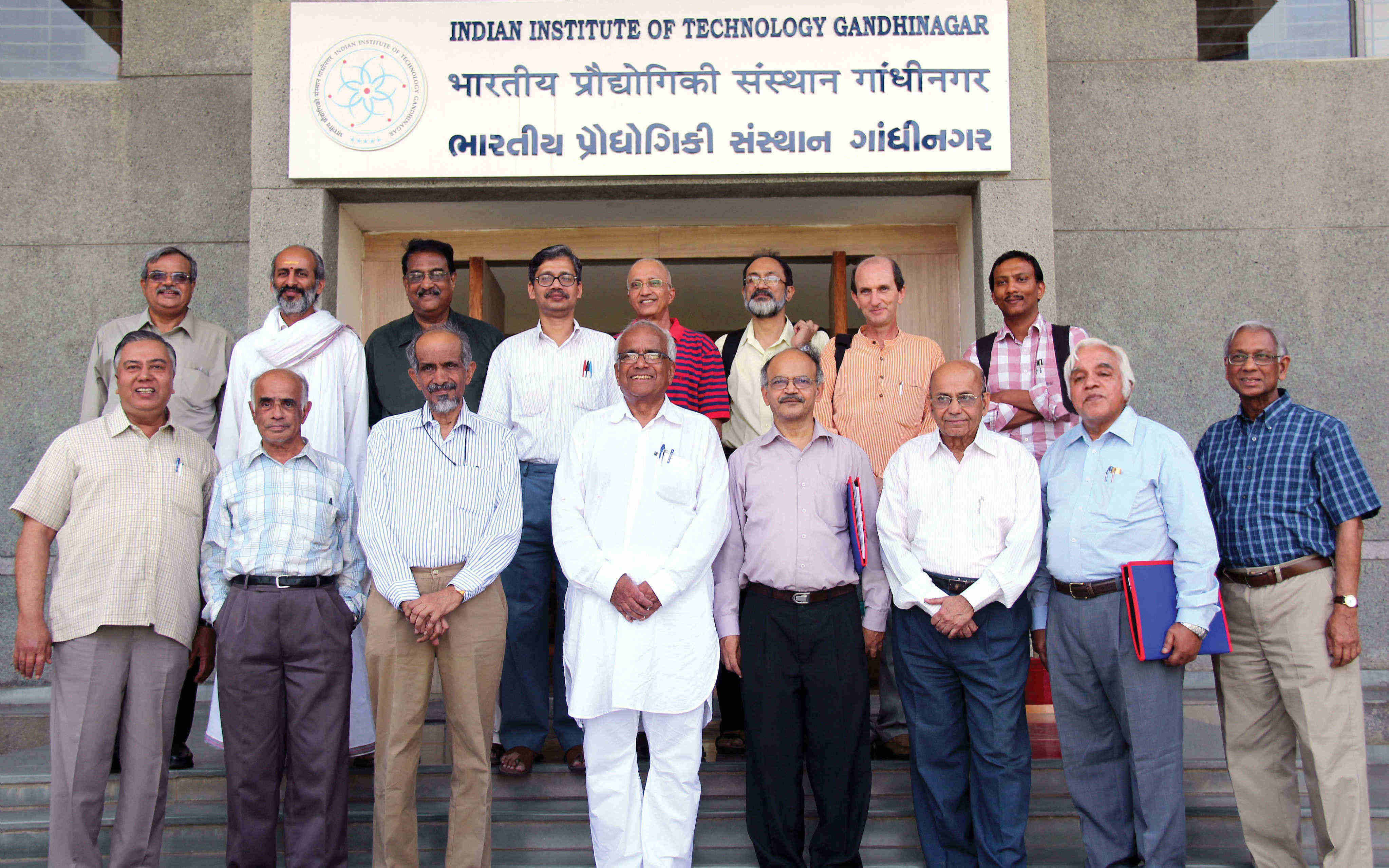
Among his other notable scholarly works a mention ought to be made of the translated and edited versions, together with mathematical discussions, of the two famous astronomical handbooks (so called karaṇa works), Grahalāghavaṃ of Gaṇeśa Daivajña (c.1520 CE) and Karaṇakutūhalaṃ of Bhāskara-II (b.1114 CE), jointly with his student S.K. Uma, published by the Indian National Science Academy (INSA) in 2007 and 2008 respectively. The work was earlier serialized in the Indian Journal of History of Science in 2006 and 2007-08 respectively. Incidentally, most of his research work in ancient mathematics and astronomy, including the last mentioned works, was carried out under projects supported by the Indian National Science Academy, since 1993; he perhaps qualifies to be the one to have made the best use of the provision made by the academy for supporting research in our ancient heritage. He also served on the Research Advisory Council, National Commission for History of Science, INSA, and on the Editorial Board of the Indian Journal of History of Science.
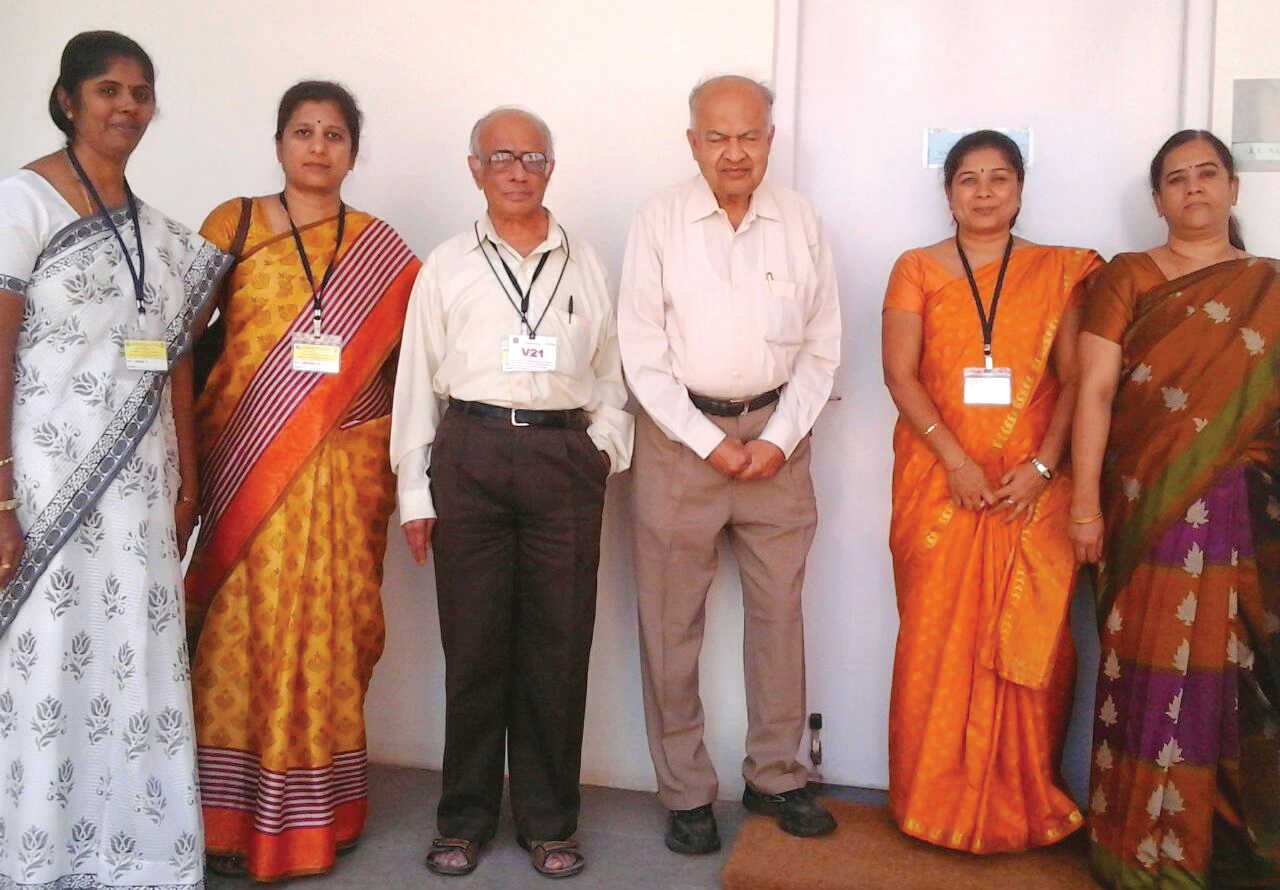
For many years now he had a team of five students around him, V. Vanaja, M. Shailaja, S.K. Uma, Padmaja Venugopal and Rupa Raviprasad (K. Rupa). He was supportive of them and engaged them with his pursuits as much as possible. A few years ago I had the opportunity to edit, in collaboration with S.K. Jain, Ohio University, USA, a volume Mathematics in Ancient Jaina Mathematics; the project was a follow up of an international conference in 2020, sponsored by the Jain Centre of Greater Boston and the Academic Liaison Committee of the Federation of Jain Associations of North America. Balachandra Rao’s team contributed to the endeavor, with a paper “Geometry in Mahāvīrācārya’s Gaṇitasārasaṅgraha” authored by him together with K. Rupa, S.K. Uma and Padmaja Venugopal. Earlier when I took over the editorship of Gaṇita Bhāratī, in 2010, I was quite apprehensive of getting adequate number of papers to keep the journal going, and had approached various people for help. Balachandra Rao’s was one of the reassuring voices. Indeed, together with his team he published four substantial papers in Gaṇita Bhāratī in the initial years, including one in the first volume of the journal under my editorship.
Apart from producing scholarly works he also carried a deep urge, `as a teacher’ as he would refer to it, to reach out to wider audiences through books. In this his focus was on creating awareness about ancient heritage on the one hand, and also promoting evidence-based, rationalist thinking on the other hand. His books Tradition, Science and Society and Astrology: Believe it or Not are notable in this respect. He was staunch in debunking pseudosciences such as astrology. Having studied astrology systematically he was well equipped to challenge the claims of astrologers. In the Preface to Astrology: Believe it or Not he laments “Among us Indians, a total belief in astrology is almost a truism”, and continues to mention:
It is only after a detailed introduction to the subject, complete with many references to ancient texts, and clarifying various aspects of horoscopes etc. and the methods involved in various calculations, he proceeds to debunk the claimed “predictive” part of the subject and argues persuasively against a variety of myths in the practice of astrology.
He was similarly deeply troubled by various exaggerated claims in Bharati Krishna Tirthaji’s book “Vedic mathematics”. He has dealt with it in detail in his book Vedic Mathematics and Science in Vedas; the book also includes details of the critique of the subject in many earlier works, including by the present author. In 2001, there was a move to introduce astrology and Vedic mathematics into university curricula. Some of us were involved in a campaign against such a move, and it was a pleasure to have Balachandra Rao on board with us, contributing to its success. In recent years he had also been an active participant in the `India March for Science’ movement aimed at promoting adoption of scientific temper.
He also wrote many books in Kannada. In Navakarnataka Publications, Bangalore he found a welcoming publisher. The reputable publishing house, known for scientific, progressive and rationalistic books, encouraged him to write in Kannada. His books on Āryabhaṭīya and Līlāvatī deserve special mention in respect. Many titles got reprinted. The Kannada versions of Tradition Science and Society and Astrology: Believe It or Not? won prestigious awards from the Kannada Sahitya Parishat, the highest literary body in Kannada.
His was a dynamic and lively personality, and he remained active almost till the end. He will be missed by enthusiasts of Indian heritage in mathematics and astronomy, and the large community of readers of his informative and persuasive books.
Acknowledgement: It is a pleasure to thank Karthik Shiraly, son of Balachandra Rao, for providing material which was helpful in preparing this note, and for sharing the photographs presented here.\blacksquare
References
- [1] S. Balachandra Rao, My pursuit of classical Indian astronomy, Journal of Astronomical History and Heritage, 27(2) (2024), 397–415.
- [2] M.S. Sriram, Review of `Indian Astronomy: an introduction’ by S. Balachandra Rao, Universities Press, Hyderabad 2000, pp.207, Resonance, Indian Academy of Sciences publication, January 2001.
- [3] Michio Yano, Review of `Indian Mathematics and Astronomy: Some Landmarks’ by S. Balachandra Rao, Jnana Deep Publications, Bangalore, 1994, Pages, VIII + 234, Resonance, Indian Academy of Sciences publication, July 2000.