
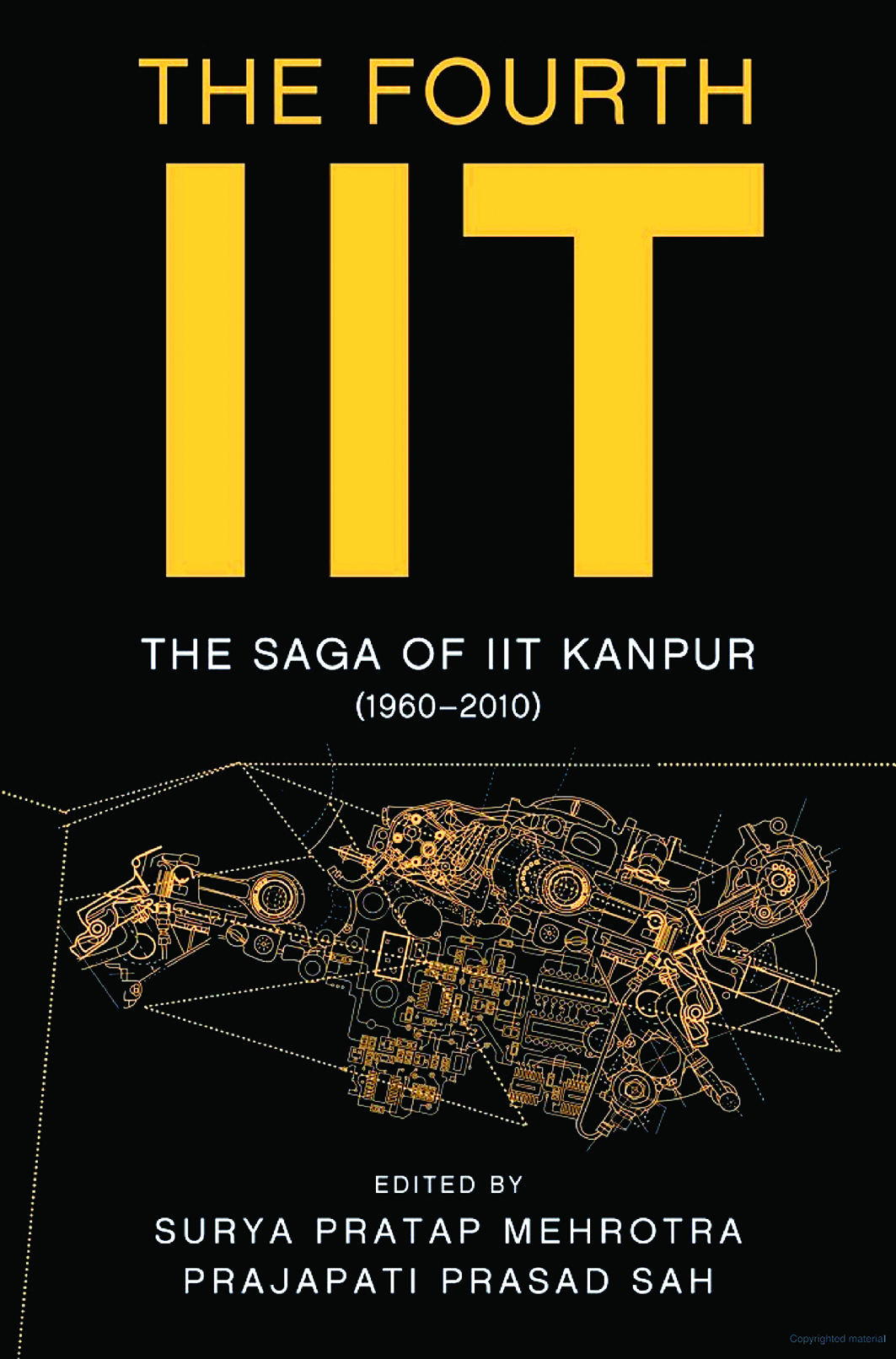
Authors: Surya Pratap Mehrotra and Prajapati Sah
Publisher: Penguin Enterprise
ISBN: 9780670088256 (Hardcover)
I did my schooling in Agra, which is about 300 kilometers from Kanpur. Back then, I only knew this much about the Indian Institutes of Technology (IITs): the brightest students went there after school to study, well, maybe mathematics and science. Still, the allure of the IITs was undeniable. I was captivated by the idea of them, almost reverentially so. I was in awe of an elder cousin in Delhi simply because he was preparing for the IIT-JEE (the joint entrance exam for admission into the BTech program at the IITs). I collected newspaper clippings of anything and everything related to the IITs. A “Brilliant Tutorials’’ pamphlet featuring pictures of last twenty years’ IIT-JEE toppers adorned the wall next to my study table. Those bespectacled faces I knew nothing else about were my heroes.
Perhaps due to Agra’s proximity to Kanpur, IIT Kanpur (IITK) held a special place in the minds of people around me. In our uncomplicated lives, IITK was simply the best IIT, the one where only the most studious ones went. I did not mind being labeled the studious type at that age, and when asked what I would like to do growing up, I would happily say: “I want to study at IIT Kanpur.’’ Thankfully, I did well in IIT-JEE 2008, based on which I was admitted into the BTech program in the Mechanical Engineering department at IITK. It eventually turned into an association of thirteen years as I also pursued my Master’s and PhD at IITK, in addition to having a 15-month-long stint as a research associate.
And, thus, reading the book The Fourth IIT, which beautifully chronicles IITK’s journey from its inception, was a deeply personal experience for me. During my IITK days, I would read and hear bits and pieces of its illustrious past, but I never quite managed to piece them together to make a holistic sense of how IITK had become so renowned that even as a 12-year-old, I had wanted to study there. This book does exactly that. It gave me a fuller understanding of my one and only post-school alma mater.
Reading The Fourth IIT was a deeply personal experience for me
The Fourth IIT is authored by Surya Pratap Mehrotra, who I must have crossed paths with many times because his face on the book cover inside flap looks very familiar, from the Department of Metallurgical Engineering and Prajapati Prasad Sah from the Department of Humanities and Social Sciences. Mehrotra’s association with the institute is especially long as he was there from 1963 till 2012, first as a student and then as a faculty member. Sah taught English and linguistic courses at IITK from 1970 to 2001.
The Fourth IIT begins at the very beginning: how the idea of the IITs originated even before India’s independence. Intending to establish technical institutes that would contribute toward the post-war industrial development in the country, the government constituted the Sarkar committee1 in 1945, which published a recommendation report in 1948. One of the committee members, Nazir Ahmed,2 proposed to survey the existing facilities to decide whether the government should build the sought institutes anew or by revamping the existing ones. The committee ruled that although conducting such a survey has its merits, it would be a lengthy exercise, and the needs of the newly independent India were too urgent for such delays! Its main recommendation was the immediate establishment of four technical institutes: one each in north, east, south, and west. The Sarkar committee report makes for a fascinating reading3 and ends with a note of dissent from Ahmed. The book heretofore is set up as what could be considered a contemplative and open-ended answer to the following questions: Was the committee right in ignoring the methodology proposed by Ahmed, and more pertinently for this book, has the fourth IIT, the IIT of the north, lived up to its billing as it completes 50 years (the period covered by the book)? Or, instead, have the IITs developed in an atmosphere of isolation, as Ahmed cautioned in his dissent note?
The authors leave little doubt that, in their opinion, the answer to the first question is yes, and to the second, no; that despite setbacks, IITK has more than justified its existence; that what came to be celebrated as the “spirit of IITK’’ could not have born out of the prevailing administrative structures but from a completely new, and at the time, revolutionary, value system.
While the choices of Bombay, Kharagpur (which is close to Kolkata), and Madras as the sites for the western, eastern, and southern IIT, respectively, appear to be relatively straightforward, it is intriguing why Kanpur was chosen for the northern IIT. The book provides some compelling explanations. Kanpur was once known as the “Manchester of the East’’ thanks to its thriving industrial climate, which included leather, textile, and ordnance industries. The Sarkar committee thus indicated Kanpur as its preferred choice with a view that the northern IIT would establish a symbiotic relationship not only with these industries but also with several other technical institutes that Kanpur was already home to: Harcourt Butler Technological Institute(HBTI),4 Government Agricultural College, Government Textile Technology Institute, Government Leather Institute, and so on. Other factors that strengthened Kanpur’s case were an offer of about 1050 acres of land by the UP government and Kanpur’s proximity to Ganges, making it suitable for studying hydraulics and irrigation engineering.
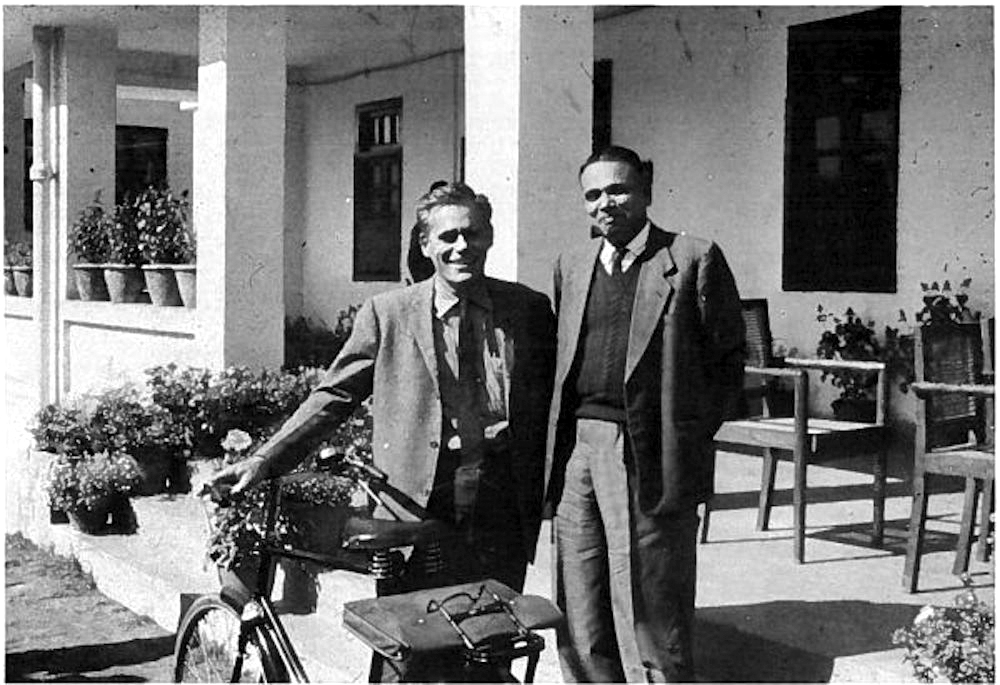
The book then unravels as Kelkar tackles the above tasks in parallel. Classes for the pioneer IITK batch, consisting of 100 students “handpicked’’ by Kelkar from among 7500 applications (the IIT-JEE was not to start till one year later), started in the HBTI campus in 1960. The initial faculty members were also “borrowed’’ from HBTI. In a couple of years, many young and highly qualified faculty members, most of whom had a PhD from the US, were hired. The only institute in India that awarded higher education degrees at that time was the Indian Institute of Science, which primarily attracted students from south India. This explains why many of the initial faculty members at IITK were from south India.
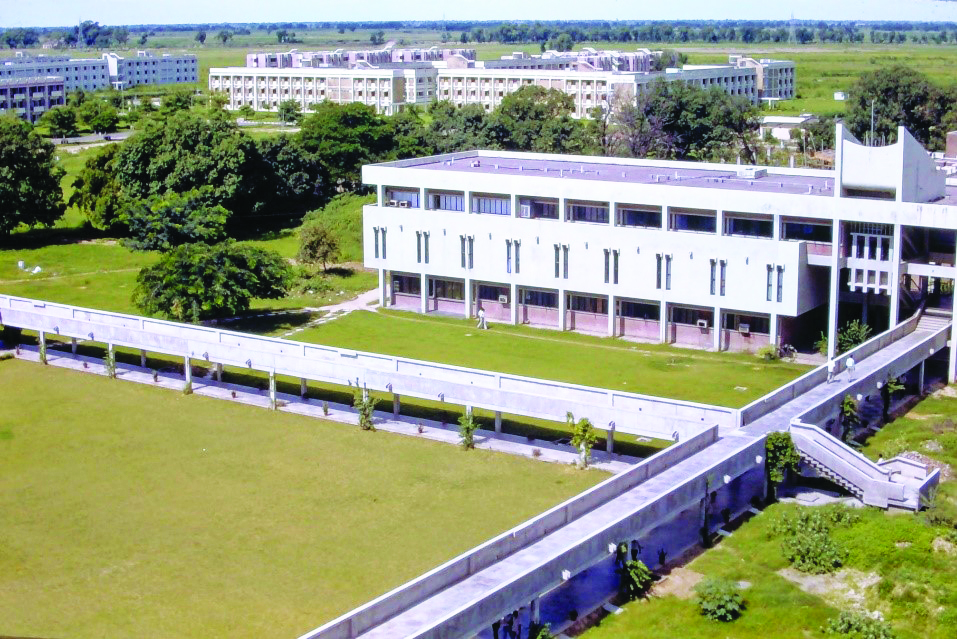
The task of designing the academic complex was assigned to the Kanvinde and Rai firm from Delhi in a bidding process significantly different from what, even today, is the usual practice of selecting the lowest bidder. Despite coming with the highest bid, Kanvinde’s firm was chosen because its proposal aligned with Kelkar’s idea of an open, unhindered campus, an architectural embodiment of the “IITK spirit’’ of freedom and adventure envisioned by Kelkar. Interestingly, IITK was the first major assignment of Kanvinde, who would go on to become one of India’s most well-known architects.
The IITK experiment was novel in many other ways. A substantial portion of the BTech curriculum was devoted to basic sciences and humanities, aiming to create students who were both well-rounded and socially conscious. The faculty members, many of whom were relatively young and fresh from PhDs abroad, were given complete freedom in choosing the course content and conducting and evaluating exams. Students were awarded grades instead of marks based on their relative performance in the class. The instructors were bound to submit the grades within three days of the final exam, sparing the students from an anxious and often lengthy waiting period that is still the norm at many Indian universities. The students were promoted on a course-wise rather than a year-wise basis.5 There was a conscious effort toward making merit the only basis of distinction. For example, it was not necessary that the instructor-in-charge of a course, who could be an assistant professor, should be senior to a tutor, who could be a senior professor. Furthermore, since it was compulsory for the tutors to sit in on the lectures, you would witness the unusual sight of a senior professor attending the classes of an assistant professor! It is not mentioned in the book, but this practice must have been further amended to assign tutorship not only to faculty members but also to meritorious PhD students, perhaps to reduce the load on the former. I was a beneficiary of this amendment as I got to tutor the core undergraduate dynamics course when I was a PhD student. The experience of working with fellow tutors, who were faculty members, as an equal was strange and fun in equal parts. Kudos to the IITK spirit! Many of these practices were later adopted by other Indian institutes, including the other IITs.
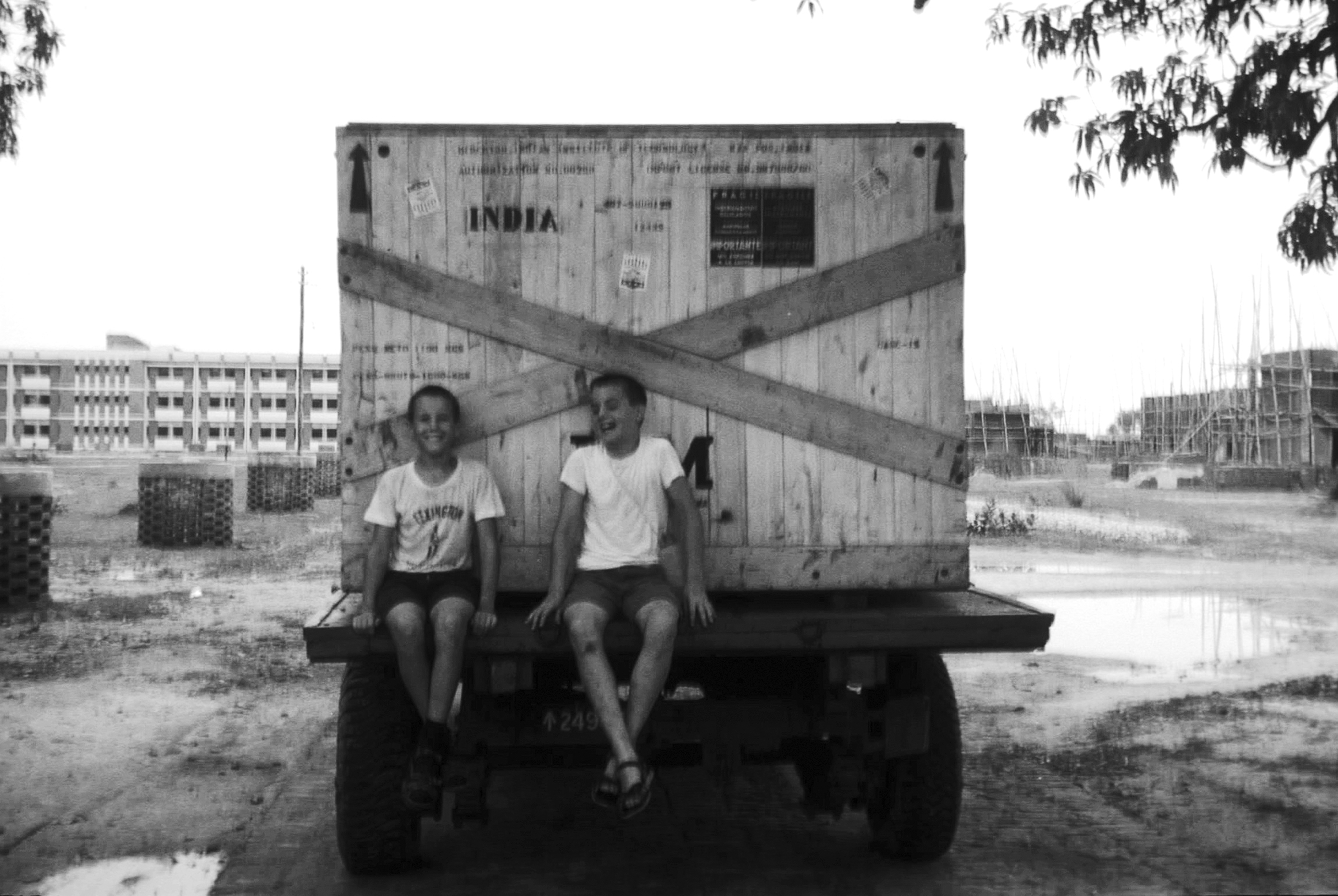
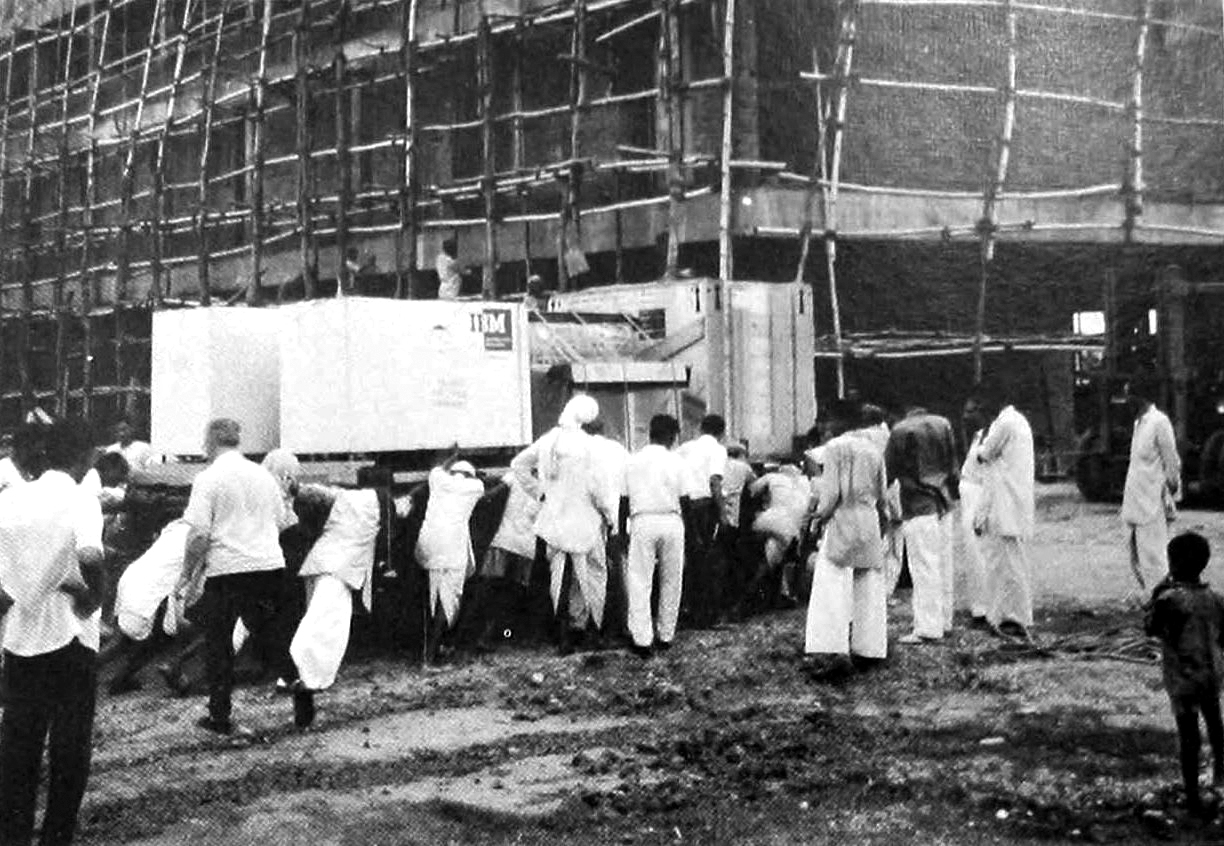
That these practices closely align with those followed in the American education system is not a coincidence because in its formative years, IITK was mentored by a consortium of nine American universities led by MIT6 under the “Kanpur Indo-American Program’’ (KIAP), which ran from 1962 to 1972. The program would easily have had a second decade if not for the souring of the political relations between the two countries. Besides having a prominent role in designing the core curriculum and the academic governance doctrines, KIAP also facilitated visits of faculty members from the nine participating institutes, conducted workshop and library staff training, and helped establish lab facilities and computer and TV centres. KIAP was also, of course, instrumental in bringing the IBM 1620, one of the first high-speed digital computers in the country, to IITK. The iconic photograph of it being brought to the campus on a bullock cart with rubber-padded wheels still brings a chuckle. At its peak in 1965, as many as twenty-eight KIAP faculty members were in Kanpur. That must surely have been an exciting time to be on the IITK campus, and the book does an excellent job of conveying this excitement. A revolution in the Indian education system, spearheaded by a visionary in Kelkar and assisted by nine of the best American universities, was in the making, and everyone from faculty members to students was made to feel a part of it.
If in the 1960s, IITK was a precocious child and in the 1970s a troubled teenager, then the following three decades, as the authors suggest, marked its evolution into a mature and stable adult. Like any reflective grown-up, it experienced various moods in its quest for self-fulfillment: the prospective mood, the introspective mood, the expansive mood, and the materialistic mood. The highlights of the growth and changes IITK experienced in 1980–2010 are subsequently presented within this expository framework in Chapters 6 through 9, one chapter for each mood. Thanks to some fine writing, this expository style feels natural and engaging rather than contrived.
In listing the activities undertaken when the institute has been introspective, the authors delve into the various reforms the BTech program has undergone over the years to stay attuned to the changing times. Some changes they mention are: reducing its period from five to four years, reducing the proportion of basic science and humanities courses, introducing the options of “double major’’ and “minor’’, and reducing the number of mid-semester exams from two to one. I was particularly ecstatic when that last change came into effect; I was in my sophomore year and, to put it mildly, not very motivated back then. These modifications have somewhat diluted the marquee BTech program of IITK, at least in the opinion of the alumni from the earliest batches. Nevertheless, it still has a fearsome reputation among aspirants. When I was in Kota preparing for the IIT-JEE, IIT Bombay and IIT Delhi were at the top of everyone’s preference list because IIT Kanpur was “just too tough academically.’’
Another issue that has been a major headache for IITK and the other IITs is the inclusion of candidates from the reserved categories who, somewhat unsurprisingly, find it harder to navigate through the academic programs. While awarding a separate degree has always been out of the question, initiatives such as the voluntary slow-paced program and the preparatory program to solve the problem of the low number of reserved-category students have been taken at IITK. One success story of the slow-paced program7 unfolded right before me. My roommate struggled academically during his initial days in BTech; he enrolled in the slow-paced program, became progressively more confident, and graduated with a high cumulative score. He is now a reputed government official.
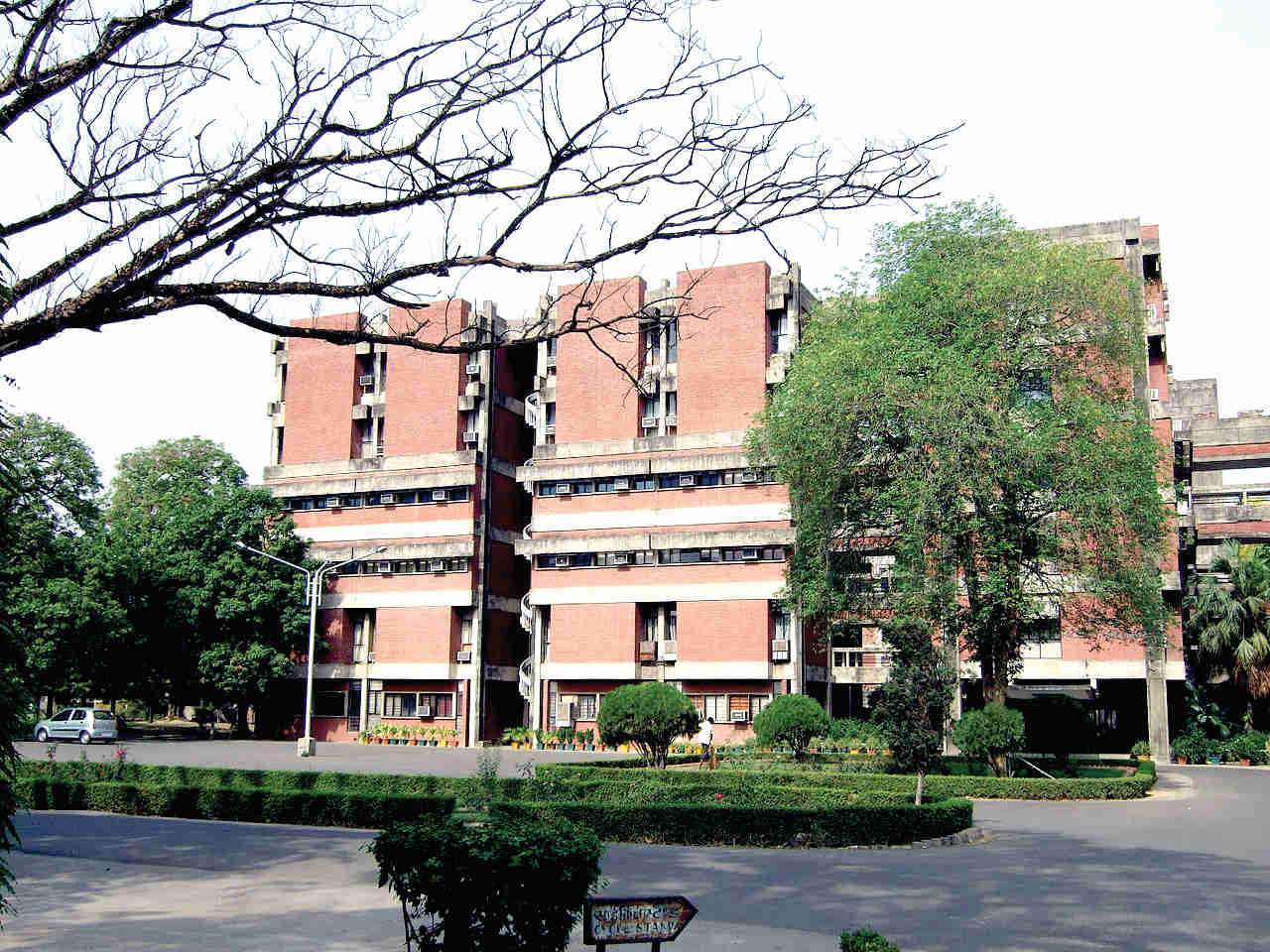
Directorate. Wikimedia Commons
I was especially delighted to read that the Music Club hosted musical wizards
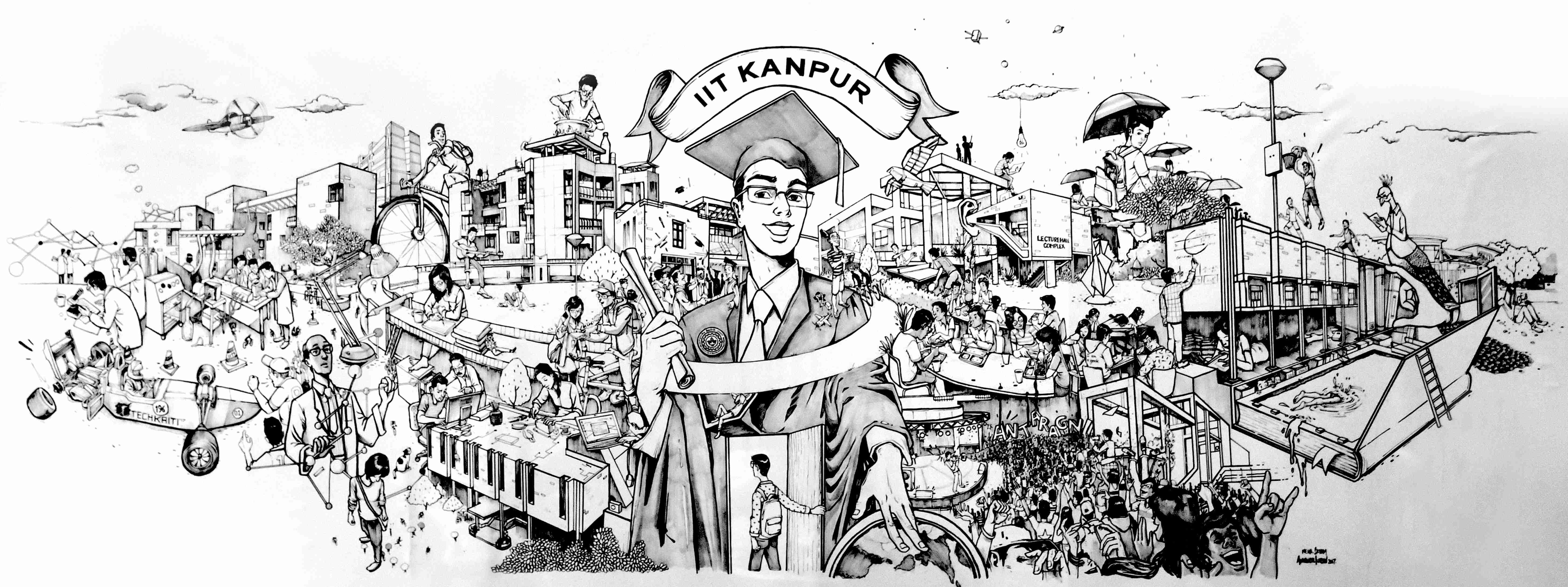
For instance, while the authors do mention that, as with the academic complex, the design of the student hostels (and, in general, the residential areas) was inspired by the ideals of openness that Kelkar espoused, it would have been nice to read about how those ideals were architecturally realized.9 Similarly, although the authors present interesting and pointed details related to the formation of some key student bodies, I would have loved to read a few personal anecdotes of or by the students behind them, something in the style of the memoirs presented in the early chapters of the book. Luckily, this void is increasingly being filled by blogs on various social media platforms by alumni from different periods of IITK.10 It was heartening to see the mention of the three student bodies I was associated with during my time at IITK: Music Club, Counselling Service, and Students’ Placement Office. I was especially delighted to read that the Music Club hosted musical wizards like Pt. Ravi Shankar, Ustad Ali Akbar Khan, and Ustad Allahrakha, who performed, of all places, in the Hall 1 quadrangle, a hostel I stayed in for a year! Surprisingly, in these portions, the authors do not mention Veena Sahasrabuddhe, a well-known Hindustani classical musician and one of my favorite khayal singers, who stayed on the IITK campus for sixteen years.
On that note, I could not help but wish the book had touched on a few additional aspects. One significant omission is that IITK has fallen in the pecking order behind IIT Bombay, IIT Delhi, and IIT Madras concerning the preference for its BTech program. For instance, in 2008, when I appeared for the IIT-JEE, the candidate who secured the all-India rank (AIR) 1 opted for IITK. Furthermore, the highest ranked candidate in my department, mechanical engineering, had an AIR of 457. From a quick Google search, I found that the corresponding ranks in 2024 were 120 and 1889, respectively. Statistics from other departments and years indicate this is not a one-off case. One apparent reason for this decline is the faltering job prospects at IITK due to its location in Kanpur, a city whose industrial prowess has waned over the years and which lacks a major civil airport. On the other hand, the postgraduate programs at IITK still remain a preferred choice for prospective candidates, with many lauding its superior academic rigor compared to the other IITs. An IITK professor I know well once joked that the work done for an MTech at IITK is sufficient to earn a PhD at IIT Delhi (which I am about to join soon as a faculty)! It is also highly pleasing to see that despite the abovementioned handicaps, IITK continues to excel and do well in national and international rankings.
To conclude, I enjoyed the book immensely. An unexpected surprise was that it is exceptionally well written, and some contentious topics are delicately and dispassionately handled. That said, it is hard for me to imagine how the book would read to someone unrelated to IITK! The levels of engagement with the book may fluctuate, as they did for me, as one reads it since it covers a lot of material, both anecdotal and factual. For instance, the book gets quite intense in the fourth chapter, when the authors discuss the circumstances leading to the 1972 strike; conversely, some details, like the committee structures at IITK, made for tedious reading. To be sure, it is not a criticism of the book in any way because the authors state at the outset that one of their intended audiences is educators, who certainly stand to benefit by getting exposure to how a completely novel academic structure, based on the ideals of freedom and equality, was built from scratch merely sixty years ago. By the time I reached the final chapter, I was already hoping for a “second edition’’ to know the authors’ take on phenomena that occurred after 2010: the proliferation of IITs (last I heard, there were 23 of them!), the rapid expansion of infrastructure at IITK in recent years (with a proportionate reduction in its greenery), and the relevance of classroom teaching in the face of availability of excellent online resources, particularly post the Covid-19 pandemic.
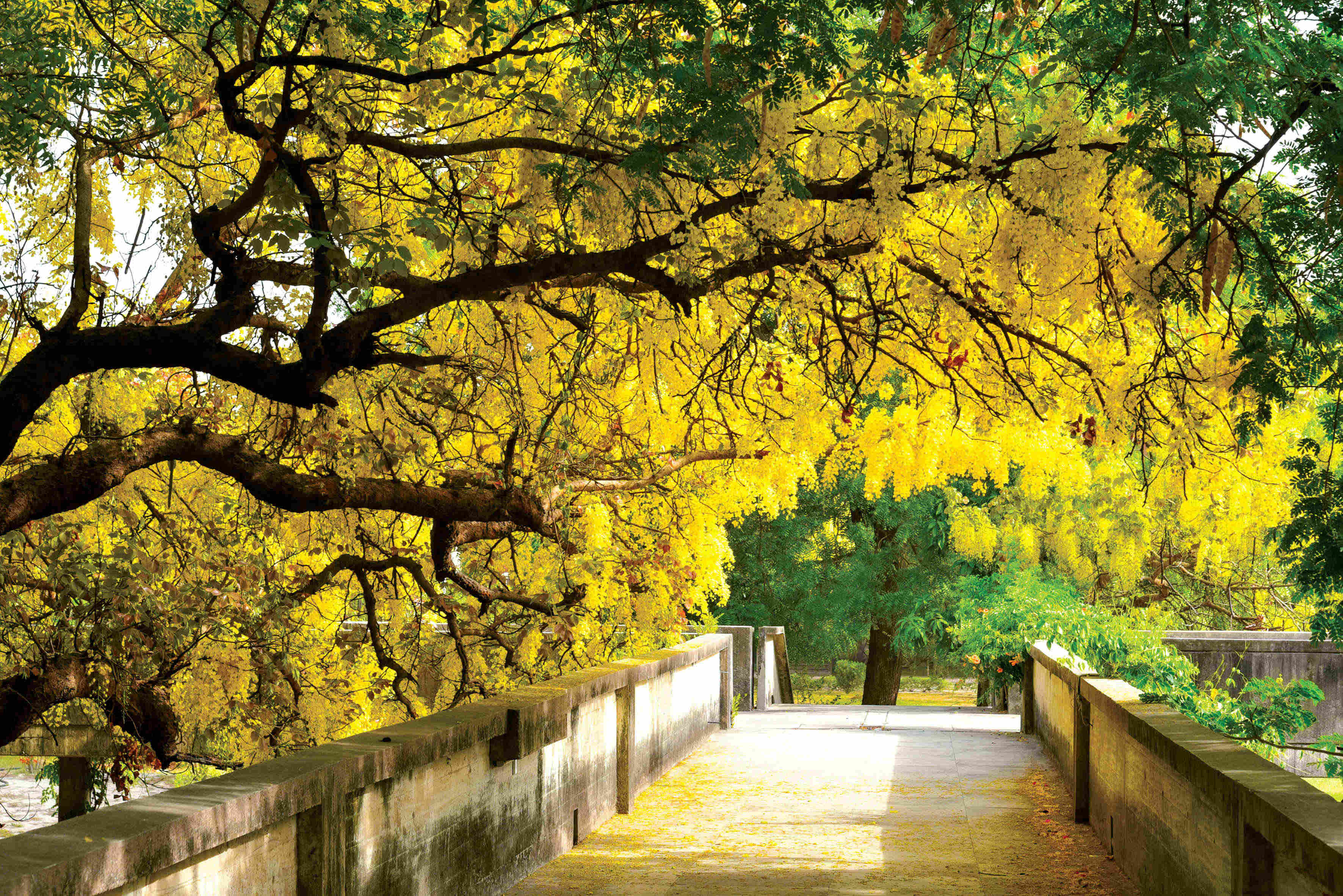
The book features a lovely collection of colour photographs, many dating back to the earliest days of IITK. The buildings in those images are still standing today; however, there is one notable difference: there were no boundary walls then. I spend hours pouring over these photos, and the absence of walls repeatedly brings to mind a recurring theme in many IITK reminiscences—that the IITK of the 1960s was a truly magical place. And then I spend a few more hours daydreaming about how it must have been to live in IITK in the 1960s; in one of these dreams, as I am taking a long contemplative walk across what was then a relatively barren campus, I pass by Sahasrabuddhe’s house who is doing her morning riyaaz and I also say hello to C.N.R. Rao who, as usual, looks delightfully animated. \blacksquare
Footnotes
- The committee was chaired by N.R. Sarkar, who later became the finance minister of West Bengal. ↩
- An experimental physicist who obtained his PhD with Ernest Rutherford at Cambridge and who later moved to Pakistan. ↩
- It is available at: https://kgpchronicle.iitkgp.ac.in/wp-content/uploads/2020/02/Sarkar-Committee-Report.pdf.. ↩
- Currently known as Harcourt Butler Technical University, Kanpur. ↩
- Again, the latter system still prevails in most Indian universities. Now that I am cast in the IITK mould, promotion on a year-wise basis seems not only unduly harsh but also quite irrational!. ↩
- The eight other institutes besides MIT were: California Institute of Technology, University of California at Berkeley, Purdue University, Princeton University, Ohio State University, University of Michigan, Carnegie Mellon University, and Case Western Reserve University. ↩
- In the slow-paced program, the subject matter that regular students cover in one semester is covered in one and three-fourths of a semester. ↩
- This includes its lingo; words like “bulla’’, “chaapu”, “bakait’’, and “bajar’’ are quintessentially IITK, and it is difficult to think of their English analogues. ↩
- It is a quite a coincidence, and a sad one for that, that I woke up to the news that Halls 1, 2, and 3, three of the oldest student hostels, are slated to be demolished and “redeveloped’’ since they are no longer sustainable. ↩
- My personal favorite is the blog by Anil Kumar Rajvanshi, who was at IITK during 1967–74, and with whom I worked for 15 months at a rural technology NGO called Nimbkar Agricultural Research Institute. His article is available at https://iitk.ac.in/dora/blog/Dr-Anil-K-Rajvanshi. ↩